• Zoek 
  • InloggenInloggen
DuPho

Kennis & Advies

Juridisch & zakelijkAuteursrechtOndernemenHulp bij incasso

Contracten & Voorwaarden

QuitclaimsAlgemene voorwaardenLicense Maker Pro

Vertegenwoordiging

BelangenbehartigingAansluitingen

Educatie & Inspiratie

WorkshopsMeetings & talks

Awards & Events

SO AwardDutch Photographers Day

Members

Onze fotografen AssistentencentraleBeeldbewerkerscentrale

Platforms & Community

GeboorteAfscheidMedischYoungGKf

Over ons

Over DuPhoNieuwsPartnersContact

Lidmaatschap

LedenvoordelenLid wordenFAQ's
T: 020-788 44 88
E: info@dupho.nl
Piet Heinkade 181-G
1019 HC Amsterdam
Instagram
Facebook
LinkedIn
Juridisch & zakelijkAuteursrechtOndernemenHulp bij incasso
QuitclaimsAlgemene voorwaardenLicense Maker Pro
BelangenbehartigingAansluitingen
WorkshopsMeetings & talks
SO AwardDutch Photographers Day
Onze fotografen AssistentencentraleBeeldbewerkerscentrale
GeboorteAfscheidMedischYoungGKf
Over DuPhoNieuwsPartnersContact
LedenvoordelenLid wordenFAQ's
  • Zoek 
  • InloggenInloggen

T: 020-788 44 88
E: info@dupho.nl

DuPho Office
Piet Heinkade 181-G
1019 HC Amsterdam

Instagram

Facebook

LinkedIn

Edit Item

Item dat momenteel wordt bewerkt:
Definieer een titel voor dit geüploade bestand.
Definieer een beschrijving voor dit geüploade bestand.

Mirjam Letsch

info@mirjamletsch.com
http://www.mirjamletsch.com
Studio Letsch & de Clercq
Bantega
06-25 080 146

Categorie

Food People and Portrait Travel
The Shape of Her
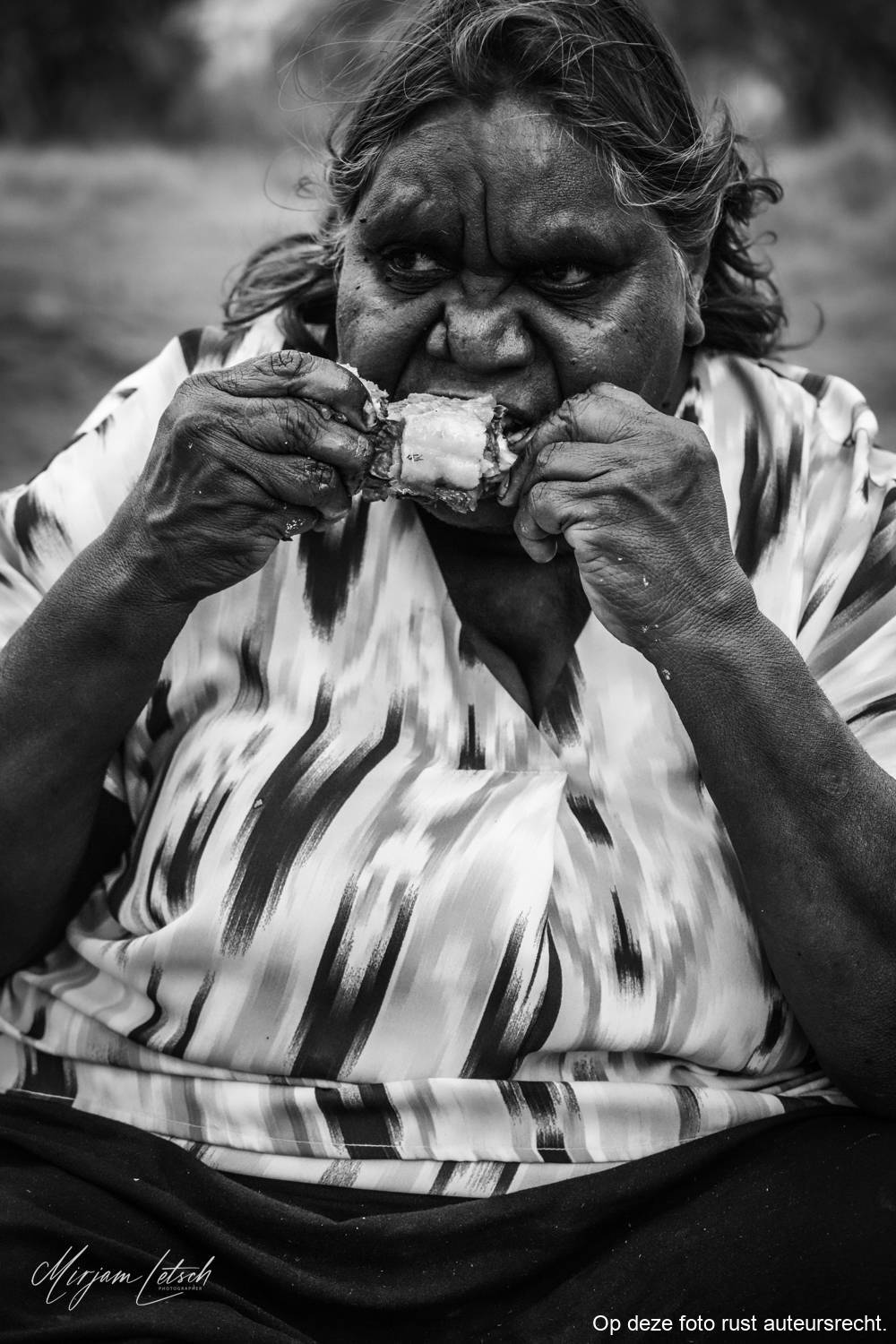
In the remote outback of Australia, I met a group of Aboriginal women who welcomed me into their world with quiet generosity. I was kindly invited to sit with them, to share freshly baked bread, kangaroo tail roasted over the fire, and sweet black tea. Out here, the usual social niceties around food fade into the background—when you dig a hole in the red desert sand, collect dried bushes to keep the fire going, and bake the bread yourself, hospitality is measured in action, not formality.
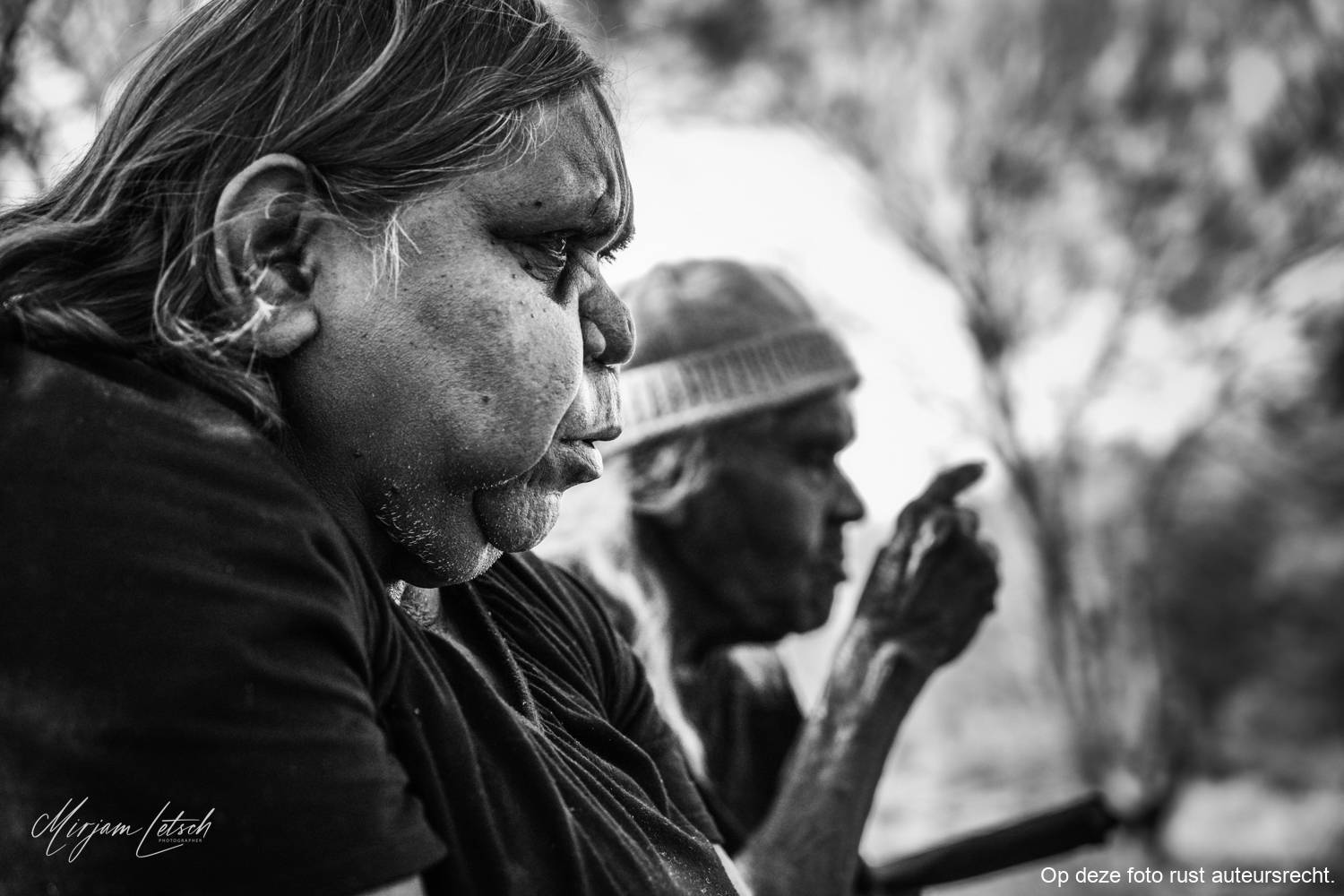
These women don’t fit the dominant image of what femininity is supposed to look like. They live far from gyms, fashion stores, and wellness culture. Their beauty isn’t polished or filtered—it’s lived, weathered, and deeply rooted in land, community, and stories.
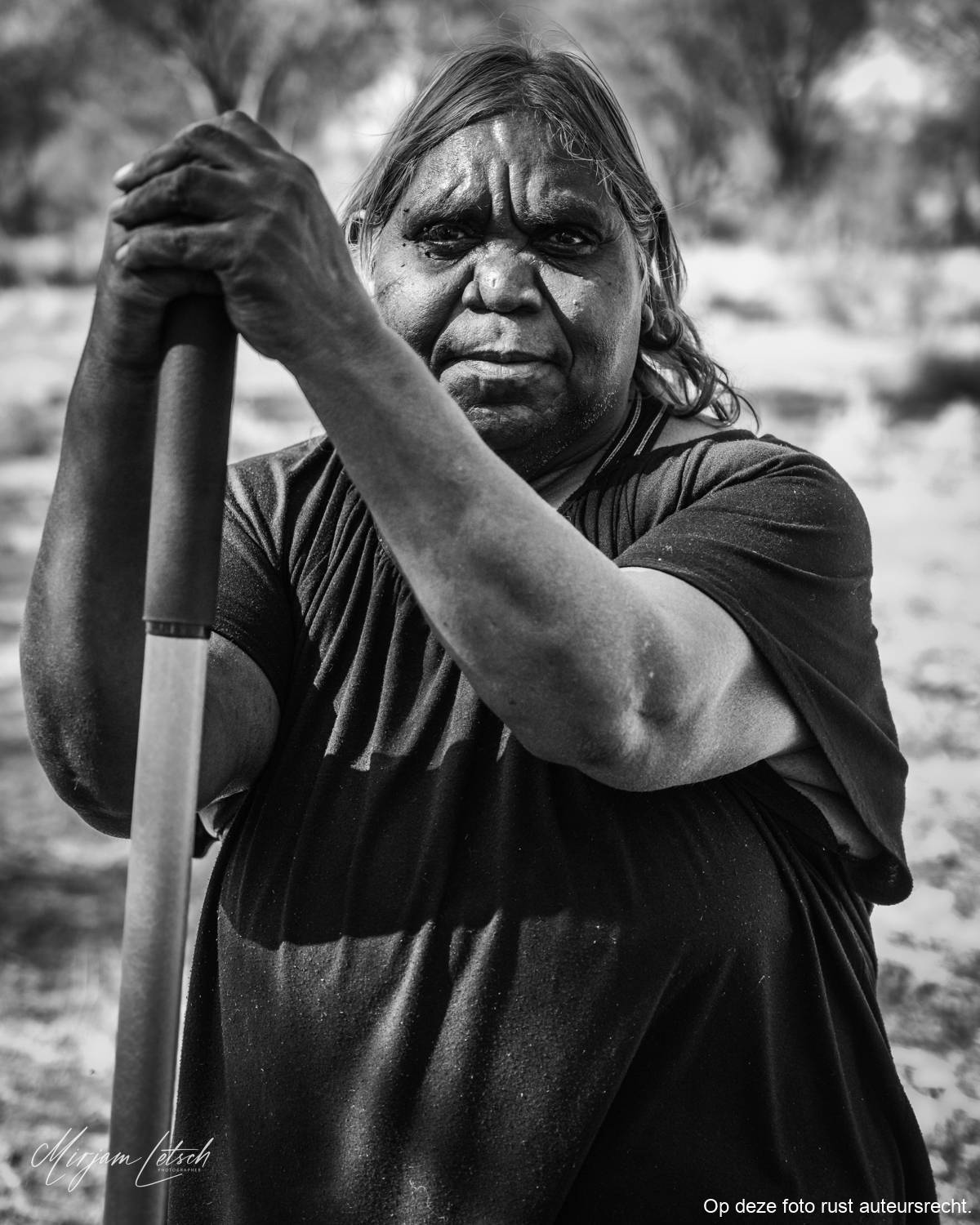
Through these portraits, I want to question the narrow visual language that so often defines what it means to be feminine. Who gets to be seen as ‘woman enough’? Who shaped that image—and who is excluded by it?
The women in The Shape of Her carry a strength that isn’t for show. It’s practical, ancestral, unspoken. Being among them—unfiltered, unapologetic, and unshaped by the gaze of the outside world—felt unexpectedly liberating. Despite the deep injustices and poverty they endure, their presence offered something rarely found in today’s curated culture: a quiet kind of freedom. It’s a reminder that perhaps we have more to learn from them than from the so-called influencers who define our screens.
Mirjam Letsch
www.mirjamletsch.com
The Shape of Her
In the remote outback of Australia, I met a group of Aboriginal women who welcomed me into their world with quiet generosity. I was kindly invited to sit with them, to share freshly baked bread, kangaroo tail roasted over the fire, and sweet black tea. Out here, the usual social niceties around food fade into the background—when you dig a hole in the red desert sand, collect dried bushes to keep the fire going, and bake the bread yourself, hospitality is measured in action, not formality.
These women don’t fit the dominant image of what femininity is supposed to look like. They live far from gyms, fashion stores, and wellness culture. Their beauty isn’t polished or filtered—it’s lived, weathered, and deeply rooted in land, community, and stories.
Through these portraits, I want to question the narrow visual language that so often defines what it means to be feminine. Who gets to be seen as ‘woman enough’? Who shaped that image—and who is excluded by it?
The women in The Shape of Her carry a strength that isn’t for show. It’s practical, ancestral, unspoken. Being among them—unfiltered, unapologetic, and unshaped by the gaze of the outside world—felt unexpectedly liberating. Despite the deep injustices and poverty they endure, their presence offered something rarely found in today’s curated culture: a quiet kind of freedom. It’s a reminder that perhaps we have more to learn from them than from the so-called influencers who define our screens.
Mirjam Letsch
www.mirjamletsch.com
The Shape of Her
In the remote outback of Australia, I met a group of Aboriginal women who welcomed me into their world with quiet generosity. I was kindly invited to sit with them, to share freshly baked bread, kangaroo tail roasted over the fire, and sweet black tea. Out here, the usual social niceties around food fade into the background—when you dig a hole in the red desert sand, collect dried bushes to keep the fire going, and bake the bread yourself, hospitality is measured in action, not formality.
These women don’t fit the dominant image of what femininity is supposed to look like. They live far from gyms, fashion stores, and wellness culture. Their beauty isn’t polished or filtered—it’s lived, weathered, and deeply rooted in land, community, and stories.
Through these portraits, I want to question the narrow visual language that so often defines what it means to be feminine. Who gets to be seen as ‘woman enough’? Who shaped that image—and who is excluded by it?
The women in The Shape of Her carry a strength that isn’t for show. It’s practical, ancestral, unspoken. Being among them—unfiltered, unapologetic, and unshaped by the gaze of the outside world—felt unexpectedly liberating. Despite the deep injustices and poverty they endure, their presence offered something rarely found in today’s curated culture: a quiet kind of freedom. It’s a reminder that perhaps we have more to learn from them than from the so-called influencers who define our screens.
Mirjam Letsch
www.mirjamletsch.com
The Shape of Her
In the remote outback of Australia, I met a group of Aboriginal women who welcomed me into their world with quiet generosity. I was kindly invited to sit with them, to share freshly baked bread, kangaroo tail roasted over the fire, and sweet black tea. Out here, the usual social niceties around food fade into the background—when you dig a hole in the red desert sand, collect dried bushes to keep the fire going, and bake the bread yourself, hospitality is measured in action, not formality.
These women don’t fit the dominant image of what femininity is supposed to look like. They live far from gyms, fashion stores, and wellness culture. Their beauty isn’t polished or filtered—it’s lived, weathered, and deeply rooted in land, community, and stories.
Through these portraits, I want to question the narrow visual language that so often defines what it means to be feminine. Who gets to be seen as ‘woman enough’? Who shaped that image—and who is excluded by it?
The women in The Shape of Her carry a strength that isn’t for show. It’s practical, ancestral, unspoken. Being among them—unfiltered, unapologetic, and unshaped by the gaze of the outside world—felt unexpectedly liberating. Despite the deep injustices and poverty they endure, their presence offered something rarely found in today’s curated culture: a quiet kind of freedom. It’s a reminder that perhaps we have more to learn from them than from the so-called influencers who define our screens.
Mirjam Letsch
www.mirjamletsch.com
The Shape of Her
In the remote outback of Australia, I met a group of Aboriginal women who welcomed me into their world with quiet generosity. I was kindly invited to sit with them, to share freshly baked bread, kangaroo tail roasted over the fire, and sweet black tea. Out here, the usual social niceties around food fade into the background—when you dig a hole in the red desert sand, collect dried bushes to keep the fire going, and bake the bread yourself, hospitality is measured in action, not formality.
These women don’t fit the dominant image of what femininity is supposed to look like. They live far from gyms, fashion stores, and wellness culture. Their beauty isn’t polished or filtered—it’s lived, weathered, and deeply rooted in land, community, and stories.
Through these portraits, I want to question the narrow visual language that so often defines what it means to be feminine. Who gets to be seen as ‘woman enough’? Who shaped that image—and who is excluded by it?
The women in The Shape of Her carry a strength that isn’t for show. It’s practical, ancestral, unspoken. Being among them—unfiltered, unapologetic, and unshaped by the gaze of the outside world—felt unexpectedly liberating. Despite the deep injustices and poverty they endure, their presence offered something rarely found in today’s curated culture: a quiet kind of freedom. It’s a reminder that perhaps we have more to learn from them than from the so-called influencers who define our screens.
Mirjam Letsch
www.mirjamletsch.com
The Shape of Her
In the remote outback of Australia, I met a group of Aboriginal women who welcomed me into their world with quiet generosity. I was kindly invited to sit with them, to share freshly baked bread, kangaroo tail roasted over the fire, and sweet black tea. Out here, the usual social niceties around food fade into the background—when you dig a hole in the red desert sand, collect dried bushes to keep the fire going, and bake the bread yourself, hospitality is measured in action, not formality.
These women don’t fit the dominant image of what femininity is supposed to look like. They live far from gyms, fashion stores, and wellness culture. Their beauty isn’t polished or filtered—it’s lived, weathered, and deeply rooted in land, community, and stories.
Through these portraits, I want to question the narrow visual language that so often defines what it means to be feminine. Who gets to be seen as ‘woman enough’? Who shaped that image—and who is excluded by it?
The women in The Shape of Her carry a strength that isn’t for show. It’s practical, ancestral, unspoken. Being among them—unfiltered, unapologetic, and unshaped by the gaze of the outside world—felt unexpectedly liberating. Despite the deep injustices and poverty they endure, their presence offered something rarely found in today’s curated culture: a quiet kind of freedom. It’s a reminder that perhaps we have more to learn from them than from the so-called influencers who define our screens.
Mirjam Letsch
www.mirjamletsch.com
The Shape of Her
In the remote outback of Australia, I met a group of Aboriginal women who welcomed me into their world with quiet generosity. I was kindly invited to sit with them, to share freshly baked bread, kangaroo tail roasted over the fire, and sweet black tea. Out here, the usual social niceties around food fade into the background—when you dig a hole in the red desert sand, collect dried bushes to keep the fire going, and bake the bread yourself, hospitality is measured in action, not formality.
These women don’t fit the dominant image of what femininity is supposed to look like. They live far from gyms, fashion stores, and wellness culture. Their beauty isn’t polished or filtered—it’s lived, weathered, and deeply rooted in land, community, and stories.
Through these portraits, I want to question the narrow visual language that so often defines what it means to be feminine. Who gets to be seen as ‘woman enough’? Who shaped that image—and who is excluded by it?
The women in The Shape of Her carry a strength that isn’t for show. It’s practical, ancestral, unspoken. Being among them—unfiltered, unapologetic, and unshaped by the gaze of the outside world—felt unexpectedly liberating. Despite the deep injustices and poverty they endure, their presence offered something rarely found in today’s curated culture: a quiet kind of freedom. It’s a reminder that perhaps we have more to learn from them than from the so-called influencers who define our screens.
Mirjam Letsch
www.mirjamletsch.com
The Shape of Her
In the remote outback of Australia, I met a group of Aboriginal women who welcomed me into their world with quiet generosity. I was kindly invited to sit with them, to share freshly baked bread, kangaroo tail roasted over the fire, and sweet black tea. Out here, the usual social niceties around food fade into the background—when you dig a hole in the red desert sand, collect dried bushes to keep the fire going, and bake the bread yourself, hospitality is measured in action, not formality.
These women don’t fit the dominant image of what femininity is supposed to look like. They live far from gyms, fashion stores, and wellness culture. Their beauty isn’t polished or filtered—it’s lived, weathered, and deeply rooted in land, community, and stories.
Through these portraits, I want to question the narrow visual language that so often defines what it means to be feminine. Who gets to be seen as ‘woman enough’? Who shaped that image—and who is excluded by it?
The women in The Shape of Her carry a strength that isn’t for show. It’s practical, ancestral, unspoken. Being among them—unfiltered, unapologetic, and unshaped by the gaze of the outside world—felt unexpectedly liberating. Despite the deep injustices and poverty they endure, their presence offered something rarely found in today’s curated culture: a quiet kind of freedom. It’s a reminder that perhaps we have more to learn from them than from the so-called influencers who define our screens.
Mirjam Letsch
www.mirjamletsch.com
The Shape of Her
In the remote outback of Australia, I met a group of Aboriginal women who welcomed me into their world with quiet generosity. I was kindly invited to sit with them, to share freshly baked bread, kangaroo tail roasted over the fire, and sweet black tea. Out here, the usual social niceties around food fade into the background—when you dig a hole in the red desert sand, collect dried bushes to keep the fire going, and bake the bread yourself, hospitality is measured in action, not formality.
These women don’t fit the dominant image of what femininity is supposed to look like. They live far from gyms, fashion stores, and wellness culture. Their beauty isn’t polished or filtered—it’s lived, weathered, and deeply rooted in land, community, and stories.
Through these portraits, I want to question the narrow visual language that so often defines what it means to be feminine. Who gets to be seen as ‘woman enough’? Who shaped that image—and who is excluded by it?
The women in The Shape of Her carry a strength that isn’t for show. It’s practical, ancestral, unspoken. Being among them—unfiltered, unapologetic, and unshaped by the gaze of the outside world—felt unexpectedly liberating. Despite the deep injustices and poverty they endure, their presence offered something rarely found in today’s curated culture: a quiet kind of freedom. It’s a reminder that perhaps we have more to learn from them than from the so-called influencers who define our screens.
Mirjam Letsch
www.mirjamletsch.com
The Shape of Her
In the remote outback of Australia, I met a group of Aboriginal women who welcomed me into their world with quiet generosity. I was kindly invited to sit with them, to share freshly baked bread, kangaroo tail roasted over the fire, and sweet black tea. Out here, the usual social niceties around food fade into the background—when you dig a hole in the red desert sand, collect dried bushes to keep the fire going, and bake the bread yourself, hospitality is measured in action, not formality.
These women don’t fit the dominant image of what femininity is supposed to look like. They live far from gyms, fashion stores, and wellness culture. Their beauty isn’t polished or filtered—it’s lived, weathered, and deeply rooted in land, community, and stories.
Through these portraits, I want to question the narrow visual language that so often defines what it means to be feminine. Who gets to be seen as ‘woman enough’? Who shaped that image—and who is excluded by it?
The women in The Shape of Her carry a strength that isn’t for show. It’s practical, ancestral, unspoken. Being among them—unfiltered, unapologetic, and unshaped by the gaze of the outside world—felt unexpectedly liberating. Despite the deep injustices and poverty they endure, their presence offered something rarely found in today’s curated culture: a quiet kind of freedom. It’s a reminder that perhaps we have more to learn from them than from the so-called influencers who define our screens.
Mirjam Letsch
www.mirjamletsch.com
The Shape of Her
In the remote outback of Australia, I met a group of Aboriginal women who welcomed me into their world with quiet generosity. I was kindly invited to sit with them, to share freshly baked bread, kangaroo tail roasted over the fire, and sweet black tea. Out here, the usual social niceties around food fade into the background—when you dig a hole in the red desert sand, collect dried bushes to keep the fire going, and bake the bread yourself, hospitality is measured in action, not formality.
These women don’t fit the dominant image of what femininity is supposed to look like. They live far from gyms, fashion stores, and wellness culture. Their beauty isn’t polished or filtered—it’s lived, weathered, and deeply rooted in land, community, and stories.
Through these portraits, I want to question the narrow visual language that so often defines what it means to be feminine. Who gets to be seen as ‘woman enough’? Who shaped that image—and who is excluded by it?
The women in The Shape of Her carry a strength that isn’t for show. It’s practical, ancestral, unspoken. Being among them—unfiltered, unapologetic, and unshaped by the gaze of the outside world—felt unexpectedly liberating. Despite the deep injustices and poverty they endure, their presence offered something rarely found in today’s curated culture: a quiet kind of freedom. It’s a reminder that perhaps we have more to learn from them than from the so-called influencers who define our screens.
Mirjam Letsch
www.mirjamletsch.com
The Shape of Her
In the remote outback of Australia, I met a group of Aboriginal women who welcomed me into their world with quiet generosity. I was kindly invited to sit with them, to share freshly baked bread, kangaroo tail roasted over the fire, and sweet black tea. Out here, the usual social niceties around food fade into the background—when you dig a hole in the red desert sand, collect dried bushes to keep the fire going, and bake the bread yourself, hospitality is measured in action, not formality.
These women don’t fit the dominant image of what femininity is supposed to look like. They live far from gyms, fashion stores, and wellness culture. Their beauty isn’t polished or filtered—it’s lived, weathered, and deeply rooted in land, community, and stories.
Through these portraits, I want to question the narrow visual language that so often defines what it means to be feminine. Who gets to be seen as ‘woman enough’? Who shaped that image—and who is excluded by it?
The women in The Shape of Her carry a strength that isn’t for show. It’s practical, ancestral, unspoken. Being among them—unfiltered, unapologetic, and unshaped by the gaze of the outside world—felt unexpectedly liberating. Despite the deep injustices and poverty they endure, their presence offered something rarely found in today’s curated culture: a quiet kind of freedom. It’s a reminder that perhaps we have more to learn from them than from the so-called influencers who define our screens.
Mirjam Letsch
www.mirjamletsch.com
The Shape of Her
In the remote outback of Australia, I met a group of Aboriginal women who welcomed me into their world with quiet generosity. I was kindly invited to sit with them, to share freshly baked bread, kangaroo tail roasted over the fire, and sweet black tea. Out here, the usual social niceties around food fade into the background—when you dig a hole in the red desert sand, collect dried bushes to keep the fire going, and bake the bread yourself, hospitality is measured in action, not formality.
These women don’t fit the dominant image of what femininity is supposed to look like. They live far from gyms, fashion stores, and wellness culture. Their beauty isn’t polished or filtered—it’s lived, weathered, and deeply rooted in land, community, and stories.
Through these portraits, I want to question the narrow visual language that so often defines what it means to be feminine. Who gets to be seen as ‘woman enough’? Who shaped that image—and who is excluded by it?
The women in The Shape of Her carry a strength that isn’t for show. It’s practical, ancestral, unspoken. Being among them—unfiltered, unapologetic, and unshaped by the gaze of the outside world—felt unexpectedly liberating. Despite the deep injustices and poverty they endure, their presence offered something rarely found in today’s curated culture: a quiet kind of freedom. It’s a reminder that perhaps we have more to learn from them than from the so-called influencers who define our screens.
Mirjam Letsch
www.mirjamletsch.com
The Shape of Her
In the remote outback of Australia, I met a group of Aboriginal women who welcomed me into their world with quiet generosity. I was kindly invited to sit with them, to share freshly baked bread, kangaroo tail roasted over the fire, and sweet black tea. Out here, the usual social niceties around food fade into the background—when you dig a hole in the red desert sand, collect dried bushes to keep the fire going, and bake the bread yourself, hospitality is measured in action, not formality.
These women don’t fit the dominant image of what femininity is supposed to look like. They live far from gyms, fashion stores, and wellness culture. Their beauty isn’t polished or filtered—it’s lived, weathered, and deeply rooted in land, community, and stories.
Through these portraits, I want to question the narrow visual language that so often defines what it means to be feminine. Who gets to be seen as ‘woman enough’? Who shaped that image—and who is excluded by it?
The women in The Shape of Her carry a strength that isn’t for show. It’s practical, ancestral, unspoken. Being among them—unfiltered, unapologetic, and unshaped by the gaze of the outside world—felt unexpectedly liberating. Despite the deep injustices and poverty they endure, their presence offered something rarely found in today’s curated culture: a quiet kind of freedom. It’s a reminder that perhaps we have more to learn from them than from the so-called influencers who define our screens.
Mirjam Letsch
www.mirjamletsch.com
The Shape of Her
In the remote outback of Australia, I met a group of Aboriginal women who welcomed me into their world with quiet generosity. I was kindly invited to sit with them, to share freshly baked bread, kangaroo tail roasted over the fire, and sweet black tea. Out here, the usual social niceties around food fade into the background—when you dig a hole in the red desert sand, collect dried bushes to keep the fire going, and bake the bread yourself, hospitality is measured in action, not formality.
These women don’t fit the dominant image of what femininity is supposed to look like. They live far from gyms, fashion stores, and wellness culture. Their beauty isn’t polished or filtered—it’s lived, weathered, and deeply rooted in land, community, and stories.
Through these portraits, I want to question the narrow visual language that so often defines what it means to be feminine. Who gets to be seen as ‘woman enough’? Who shaped that image—and who is excluded by it?
The women in The Shape of Her carry a strength that isn’t for show. It’s practical, ancestral, unspoken. Being among them—unfiltered, unapologetic, and unshaped by the gaze of the outside world—felt unexpectedly liberating. Despite the deep injustices and poverty they endure, their presence offered something rarely found in today’s curated culture: a quiet kind of freedom. It’s a reminder that perhaps we have more to learn from them than from the so-called influencers who define our screens.
Mirjam Letsch
www.mirjamletsch.com

Kennis & Advies

Juridisch & zakelijkAuteursrechtOndernemenHulp bij incasso

Contracten & Voorwaarden

QuitclaimsAlgemene voorwaardenLicense Maker Pro

Vertegenwoordiging

BelangenbehartigingAansluitingen

Educatie & Inspiratie

WorkshopsMeetings & talks

Awards & Events

SO AwardDutch Photographers Day

Members

Onze fotografen AssistentencentraleBeeldbewerkerscentrale

Platforms & Community

GeboorteAfscheidMedischYoungGKf

Over ons

Over DuPhoNieuwsPartnersContact

Lidmaatschap

LedenvoordelenLid wordenFAQ's
Sluit je aan next arrow
T: 020-788 44 88
E: info@dupho.nl
DuPho Office
Piet Heinkade 181-G
1019 HC Amsterdam
Instagram
Facebook
LinkedIn