
Erik van Cuyk
Erik van Cuyk Photography
Mauvestraat 34
6813 jm
Arnhem
0611837272
Erik van Cuyk (NL) is an independent photographer whose workhas been shown internationally, including at Rencontres d’Arles(FR), Photoville New York (USA), Naarden Photo Festival (NL), Museum Het Valkhof (NL), and Museum Hilversum (NL). His work has been published in NRC, de Volkskrant, and the British Journal of Photography. His first photobook Rijnwijk is part of Martin Parr’s collection at Tate, London.
Originally trained in Law, Erik transitioned to photography toengage with the world in a more investigative and essential way, later studying at the Fotoacademie in Amsterdam. His practicecenters on form, structure, and spatial systems, workingpredominantly across long-term series and standalone images.
---
Education
2015 - 2018 Photo Academy Amsterdam
1988 - 1992 Dutch and International Law, Nijmegen
---
Artist Profile
Erik van Cuyk’s photographic practice examines the tension between expectation and livedreality through human-made environments and the systems—urban, social, and ecological—that shape them. His work attends to moments where structures reveal themselves andwhere human intention encounters forces beyond its control. In a time of acceleratingtransformation, ecological instability, and image saturation, the practice insists on a slower, more attentive way of seeing.
Working across long-term series and autonomous images, Van Cuyk approaches photography as visual research. Rather than centering narrative, he focuses on form, spatialrelationships, and recurring patterns. The images function as open fields that invite navigation rather than interpretation, allowing meaning to emerge through sustainedlooking.
Central to the work is an engagement with awe: encounters with scales, forces, andtemporalities that exceed human agency. Van Cuyk reflects on the human impulse toorganize and assert presence, set against vast, impersonal dynamics of nature and time. Byresisting spectacle and visual certainty, the work proposes human constructions as provisional negotiations within larger systems—inviting viewers to reconsider their ownposition and responsibility within a fragile, shared world.
Specialisatie
GKf
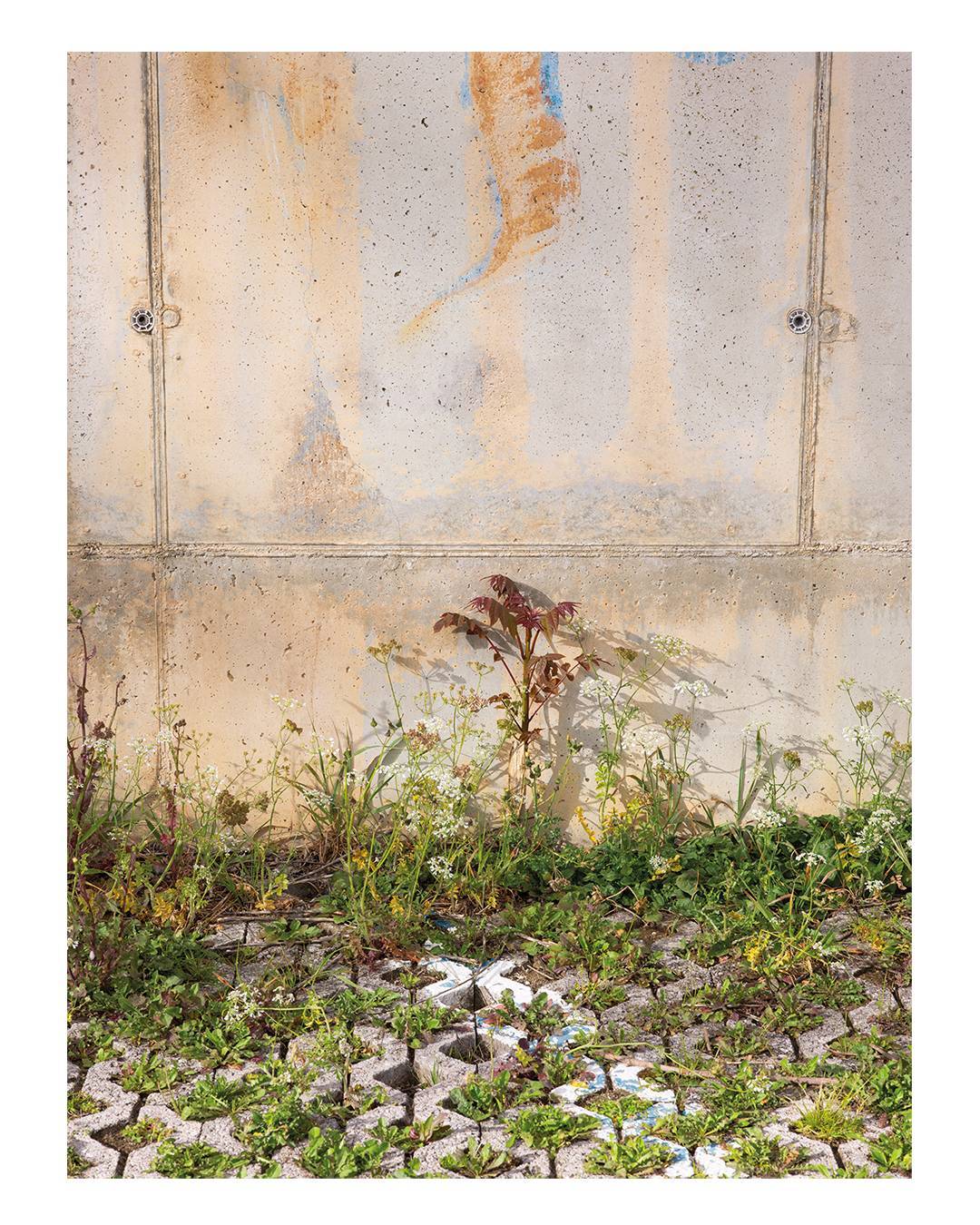

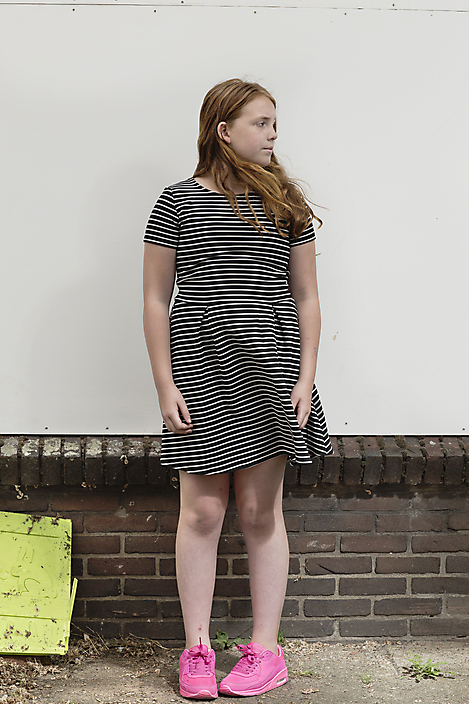
Kaylin
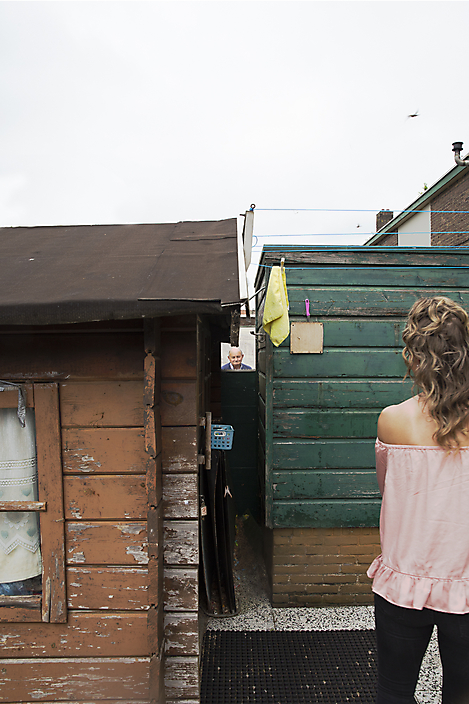
Rijnwijk

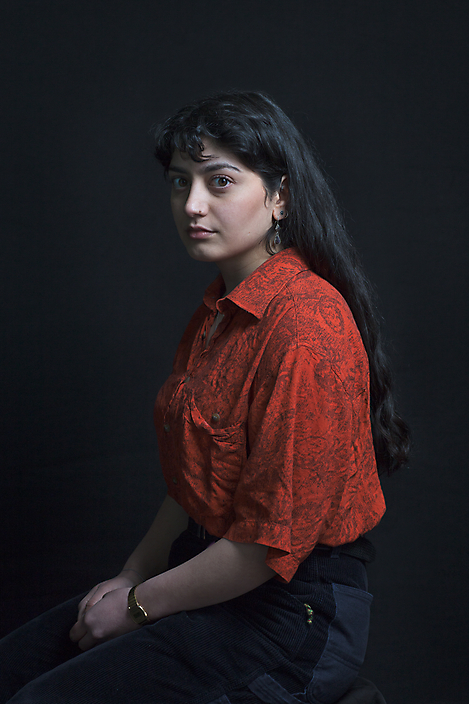
Negara03_DEF_Rotterdam
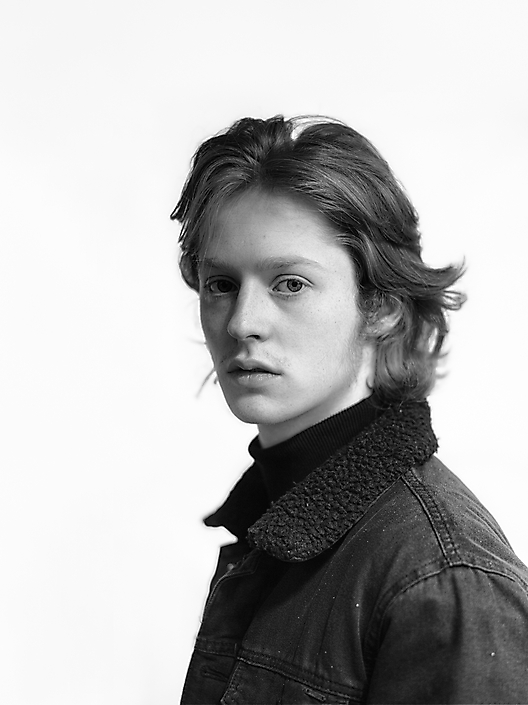
Cillian

T: 020-788 44 88
E: info@dupho.nl
E: info@dupho.nl
DuPho Office
Piet Heinkade 181-G
1019 HC Amsterdam
Piet Heinkade 181-G
1019 HC Amsterdam